
Steel Mill Slag Pot
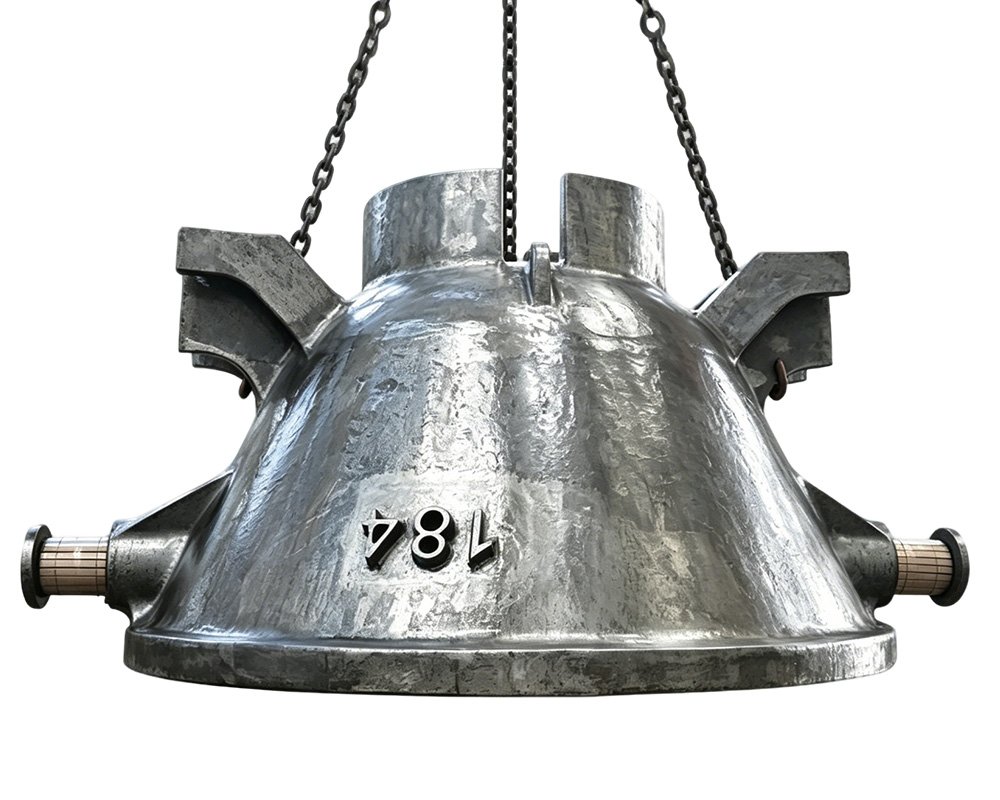
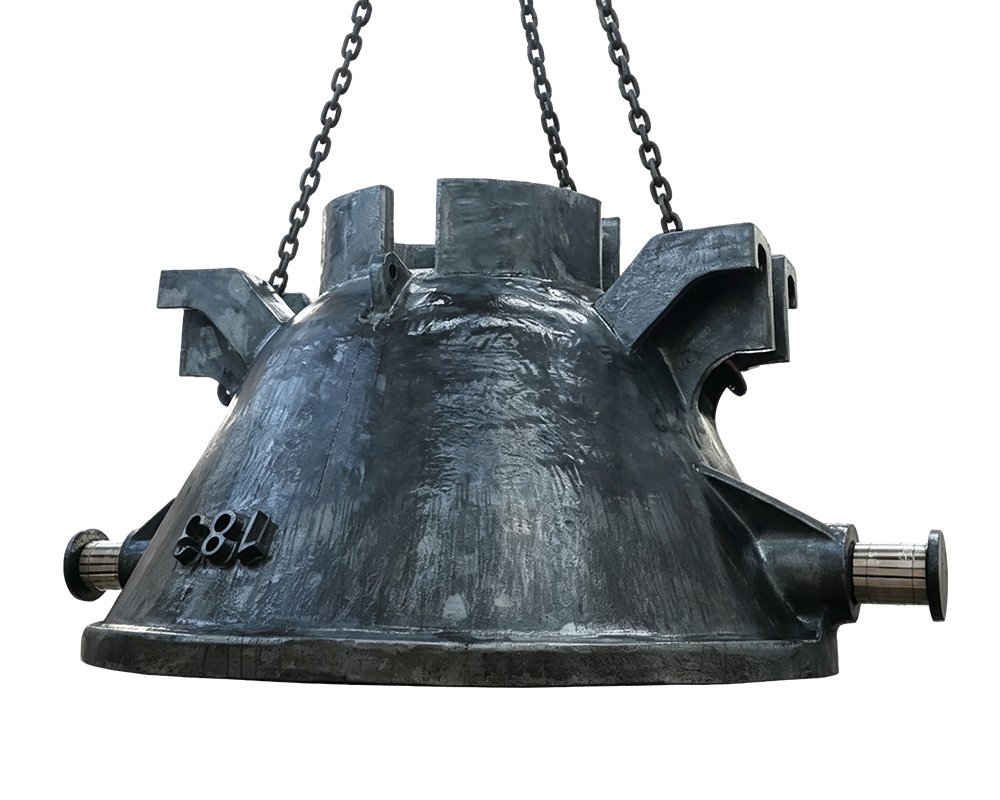
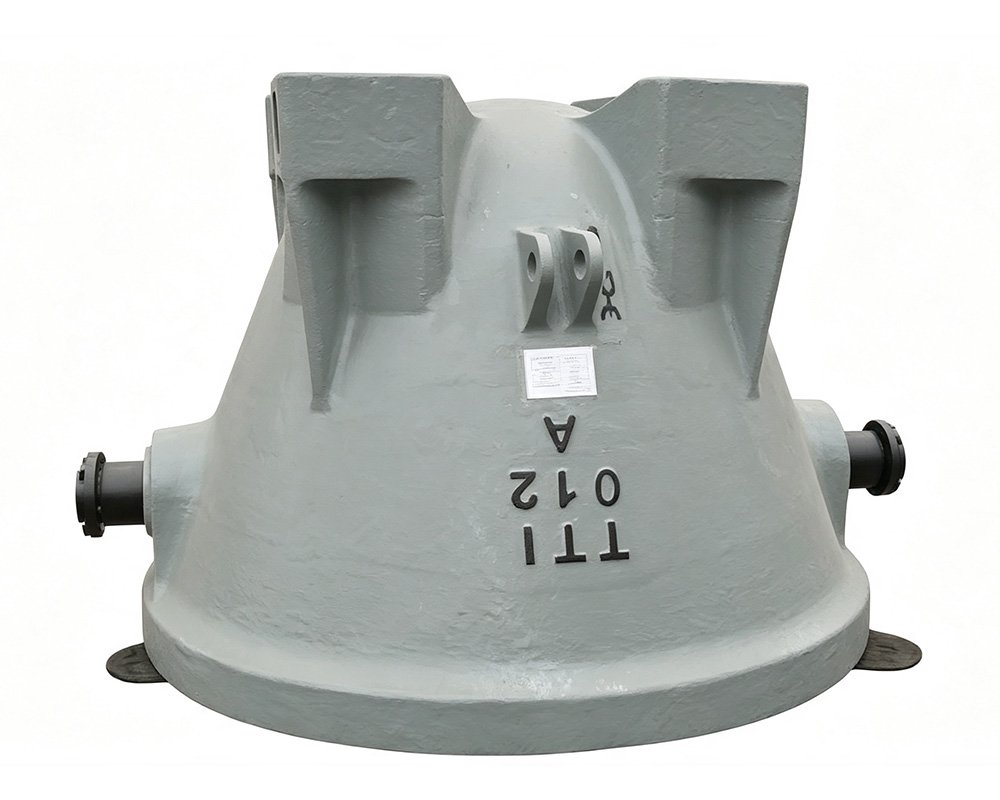
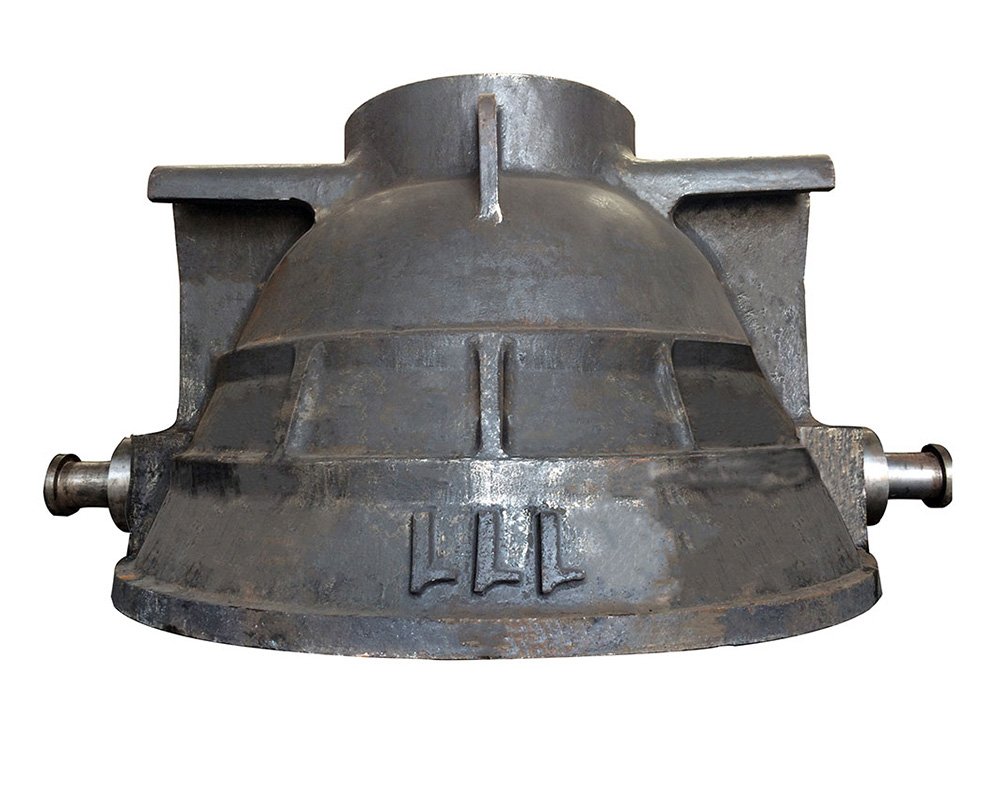
Steel Mill Slag Pot
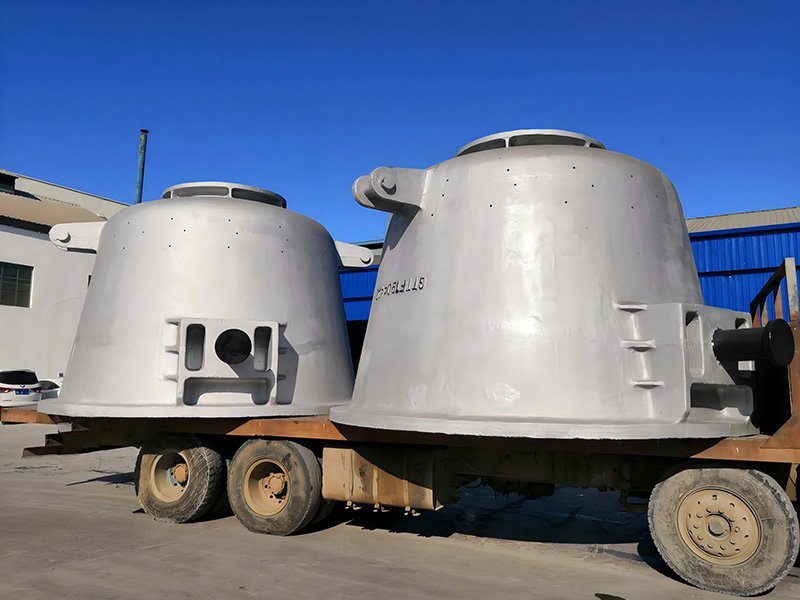
Seel mill slag pots are critical equipment in the metallurgical industry, used to contain high-temperature molten slag generated during the steelmaking process. The slag pots are widely utilized in various operations, including converter steelmaking, electric arc furnace steelmaking, refining furnaces, and continuous casting. The main function of slag ladle is to safely withstand liquid steel slag, refining slag, and continuous casting ladle residue at temperatures exceeding 1500℃, ensuring the safety and efficiency of the production process.
BOPENG is a leading manufacturer of premium cast steel products for the steel industry. Whether in integrated steel mills or mini steel plants, our slag pots deliver excellent thermal resistance, wear resistance, and structural integrity under extreme operating conditions.
Technical Specifications
|
Parameter |
Range / Specification |
|---|---|
|
Material |
ZG230-450, ZG20SiMn, and other customized materials |
|
Capacity |
5–150 tons |
|
Diameter |
1.5–6 m |
|
Height |
1.5–5 m |
|
Wall Thickness |
40–150 mm |
|
Temperature Resistance |
Up to 1600°C |
|
Hardness |
200–250 HB |
|
Heat Treatment |
Annealing/Normalizing/Quenching/Tempering |
|
Lining Type |
Basic refractory / High-alumina refractory |
|
Design Type |
Cylindrical / Conical |
|
Handling Method |
Wheel-mounted, Skid, or Crane-liftable |
Material and Construction
BOPENG steel mill slag pots are typically made from 16Mn/42CrMo/Ni-Cr high quality alloy cast steel, mainly use high-strength cast steel grades such as ZG230-450 and ZG270-500. Use refractory materials to form heat resistant lining, and high-strength welded steel components for reinforcement. The materials of BOPENG cast slag pots ensure that they can withstand high-temperature slag, shocks, and mechanical wear, significantly reducing replacement frequency and downtime.
Working Principle
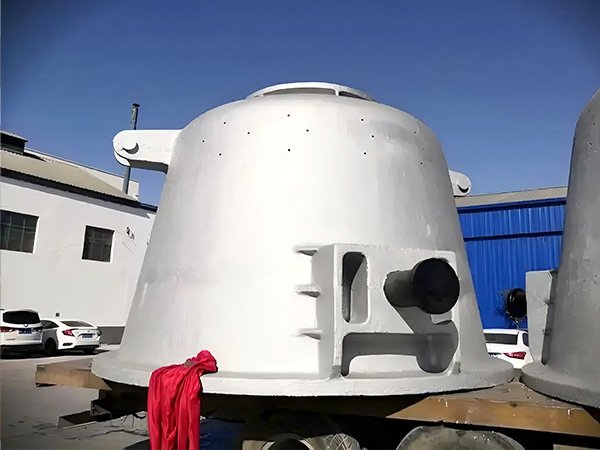
The safety of a heavy duty slag pot relies on the formation of protective slag film. When high-temperature steel slag enters the vessel, the cast steel material rapidly absorbs and dissipates the heat. This process causes a layer of solidified slag to form on the inner wall, effectively preventing the vessel from overheating, deforming, or being melted through. To prevent vessel penetration accidents, it is essential to ensure that the steel slag enters the pot before the molten steel, thereby mitigating the risks associated with the direct impact of high-temperature liquid metal.
BOPENG slag pots are designed for high-temperature durability and safe handling, reducing accidents and maintaining production efficiency.
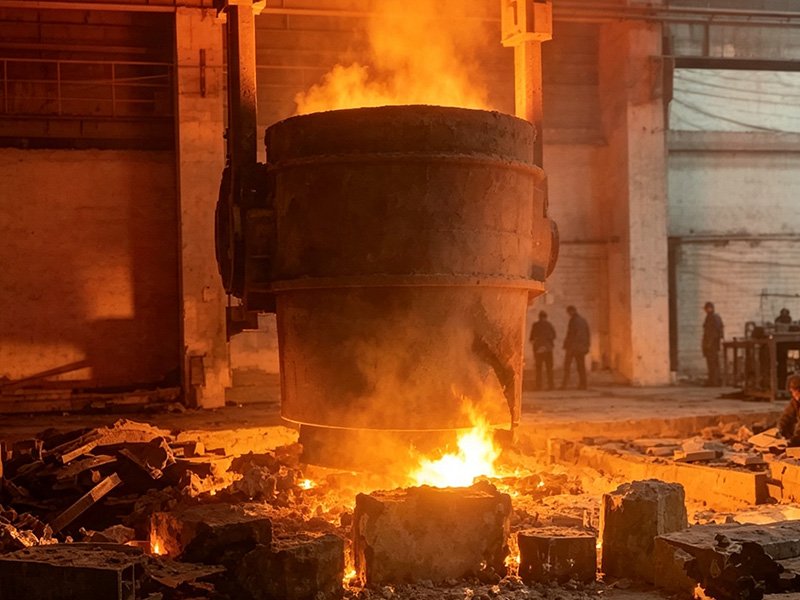
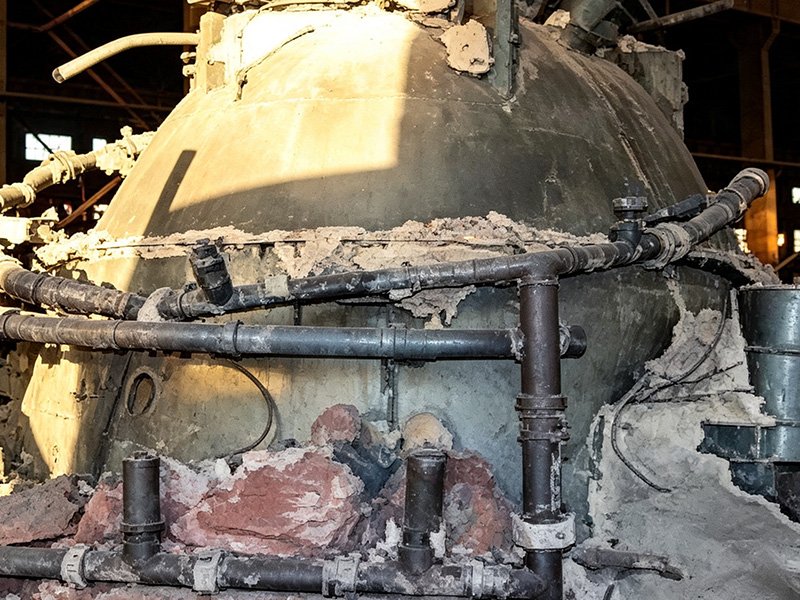
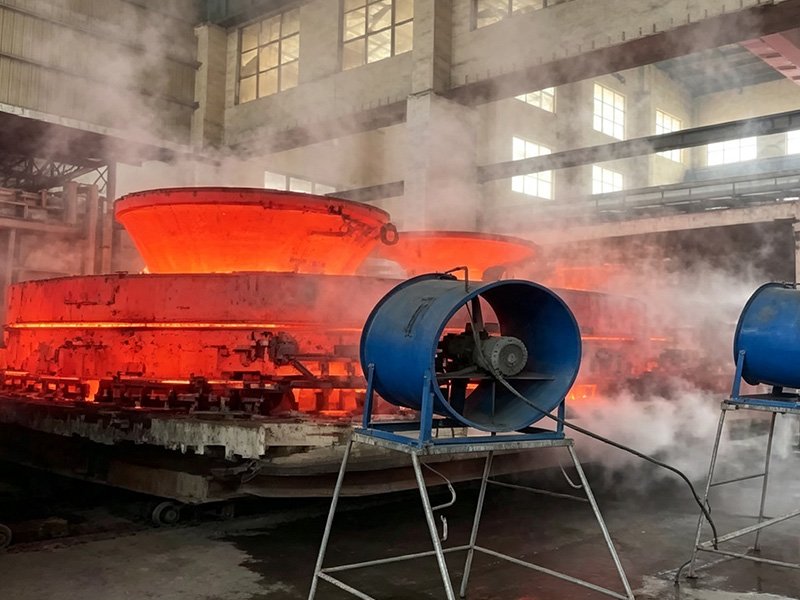
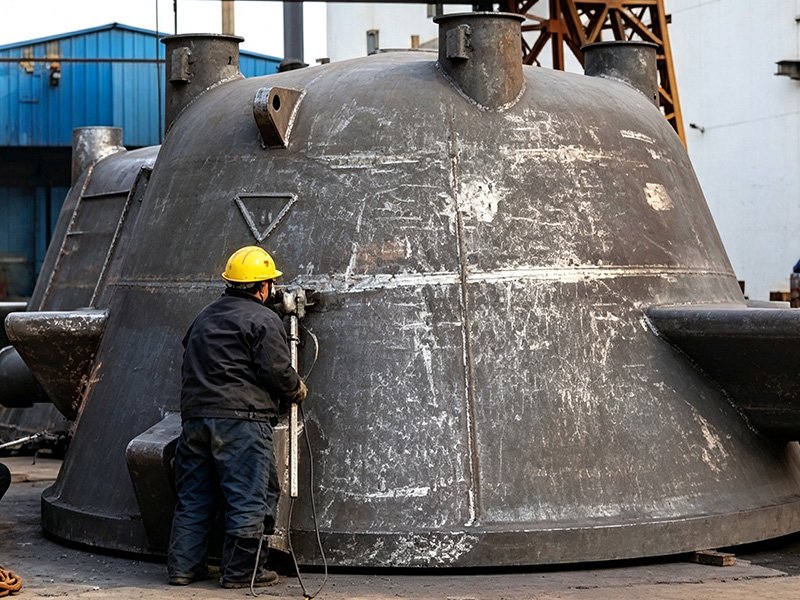
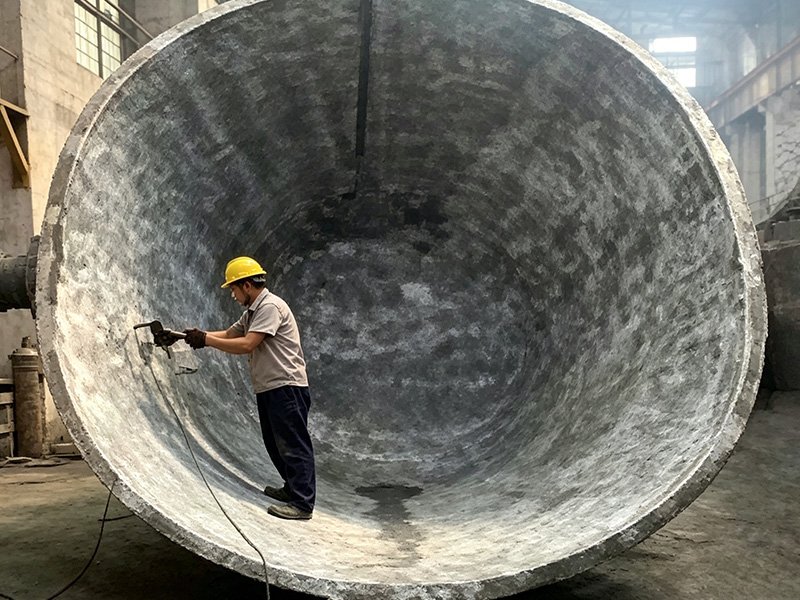
Production Process of BOPENG Slag Pot
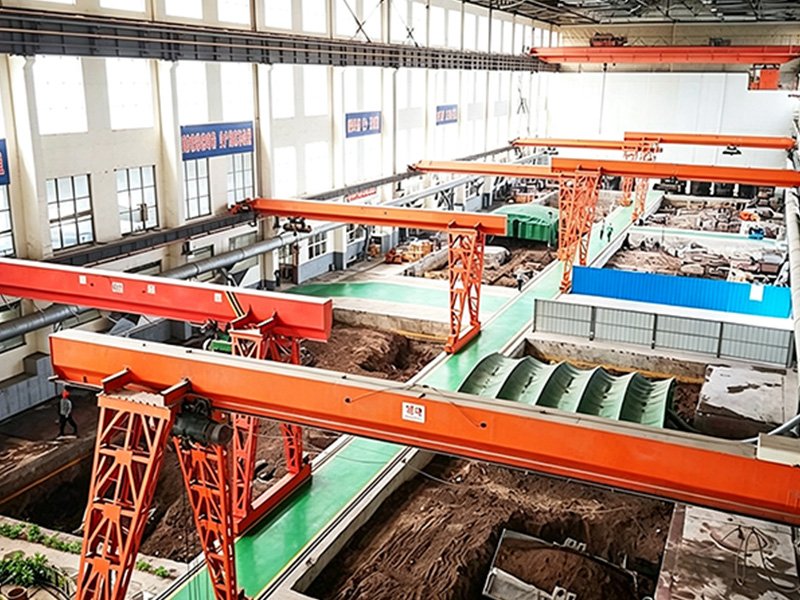
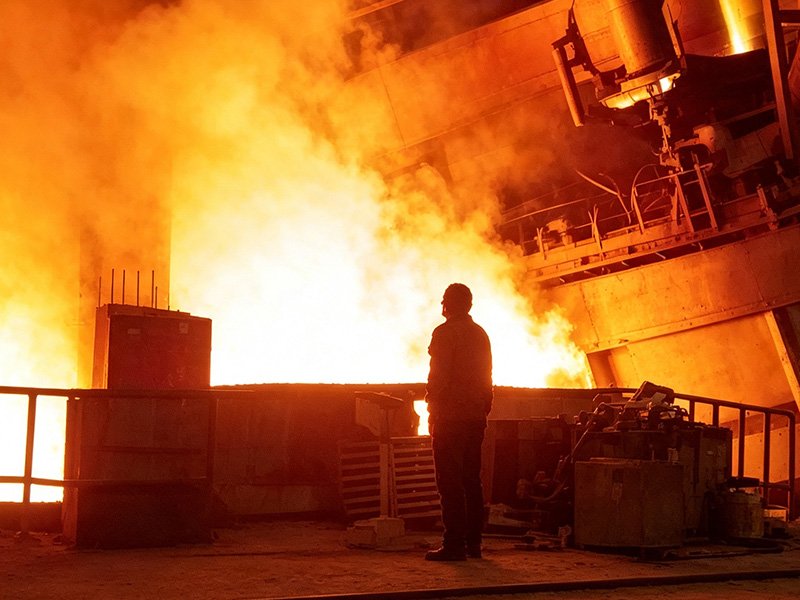
BOPENG follows strict quality-controlled production steps to ensure reliable performance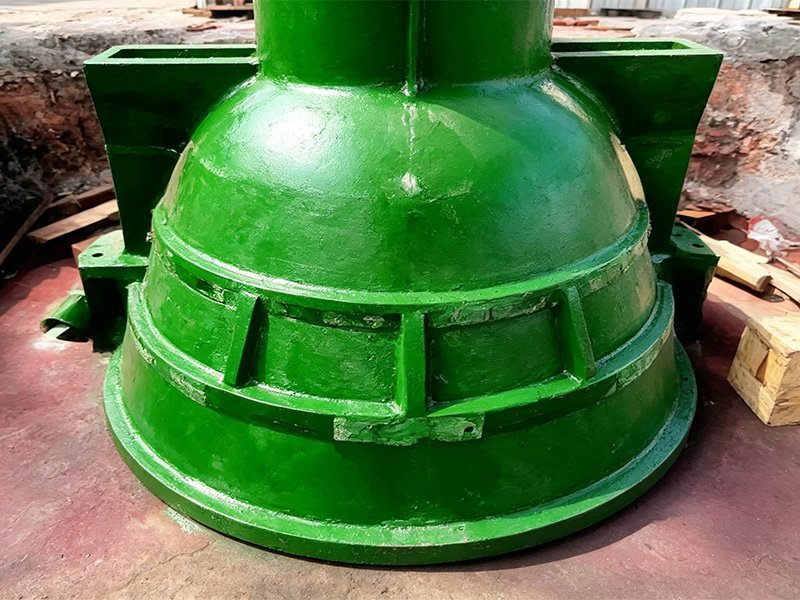
Advantages of BOPENG Cast Steel Slag Pot
BOPENG steel mill slag pots are high-quality cast steel solutions for molten slag handling in electric arc and oxygen furnaces. Durable, heat-resistant, and customizable.20+Years Cast Steel Production Experience
– With extensive production experience of manufacturing over 2000 kinds slag pots of various specifications and materials, BOPENG has advanced technology and production ability of manufacture heavy metal slag pot. And we directly service more than 20 large steel companies worldwide.
– By integrating digital modeling and standardized wooden pattern design with large-scale automated molding lines, the manufacturing cycle has been reduced to 70% of that required by traditional processes. Annual production capacity reaches tens of thousands of tons, effectively meeting the bulk procurement demands of major steel groups.
Quality Assurance & Inspection
– High-heat insulated risers are used for shrinkage compensation in the trunnion of the slag pot, focusing on ensuring the internal quality of the necklace section of the trunnion slag pot and reducing cracking during the use of the slag pot.
– Ultrasonic testing of the trunnions of the slag pot within a 500mm range: The testing level meets JB/T5000.14-1998 Level II, and the pot body testing level is Level III.
– The inner surface of the slag pot undergoes fine finishing treatment, resulting in a smooth surface without any bumps or unevenness, achieving Ra≤100, to prevent steel slag from adhering and causing malfunctions that could affect its service life.
Long Service Life
– BOPENG large casting slag pot can handle extreme slag temperatures up to 1600°C.
– The alloy steel combined with refractory lining reduces erosion and the slag pots have superior wear resistance.
– Compared to the slag pot used in converter steel production, its service life is increased by 2-3 times, reaching more than 5,000 cycles.
Customizable Designs
The capacity, shape, and lining of the slag pots all can be tailored to customer’s needs. And BOPENG cast steel slag ladles are suitable for various steelmaking processes, include basic oxygen furnace, electric arc furnace, and mini-mills.
BOPENG’s Solution for Cast Steel Products
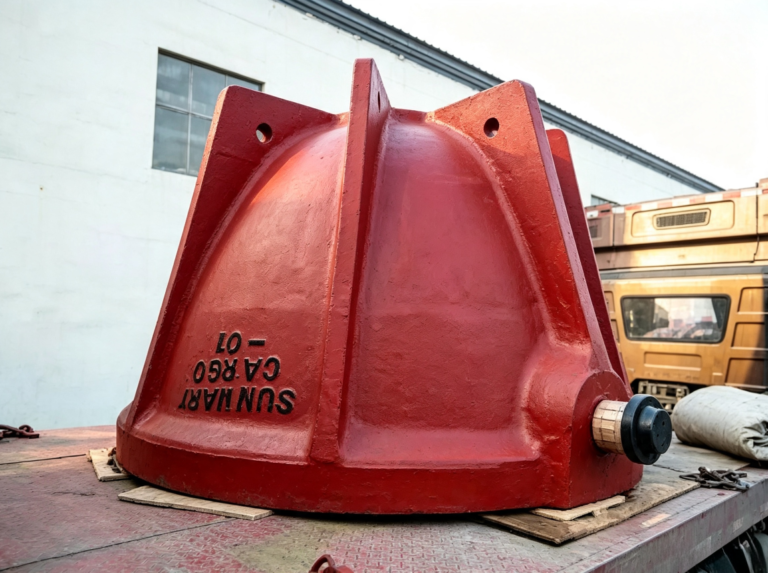
BOPENG support fully customized large casting steel products in widely applications, including building material industry, metallurgical engineering, and mining industry. We supply one-stop solution from drawings to finished products.
FAQ
Use this space to provide your website visitors with a brief description of what to expect before clicking on a section title.