Ball Mill Head

Ball Mill Head

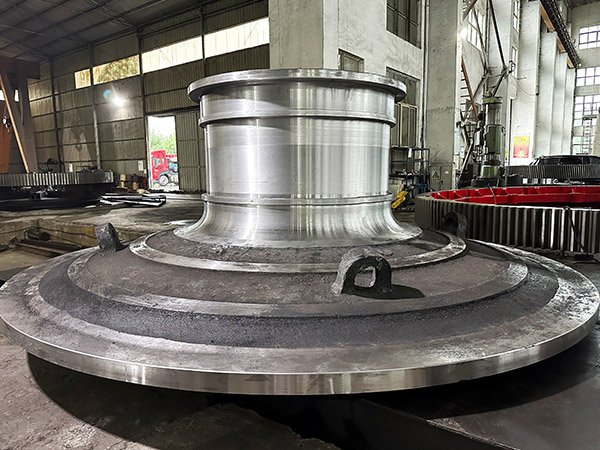
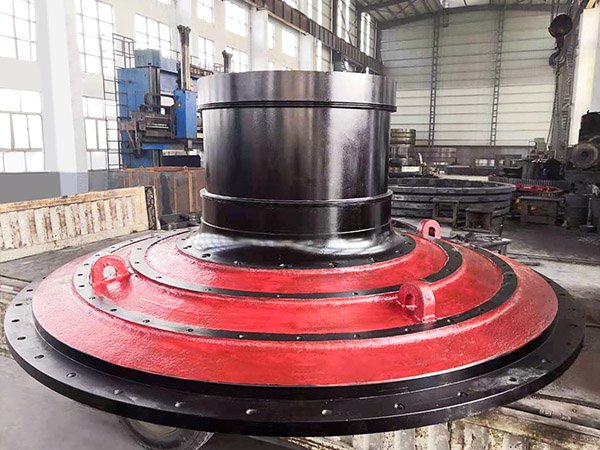
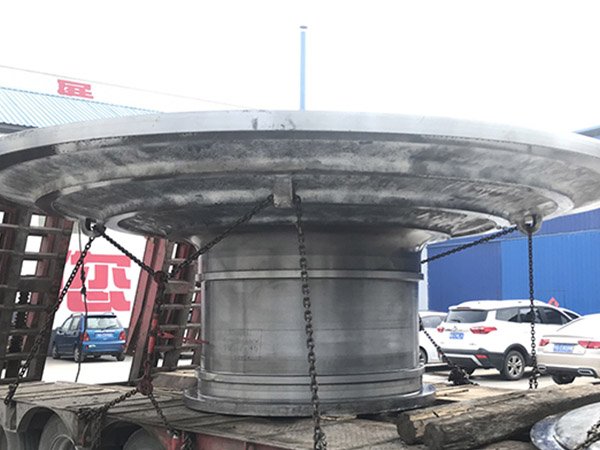
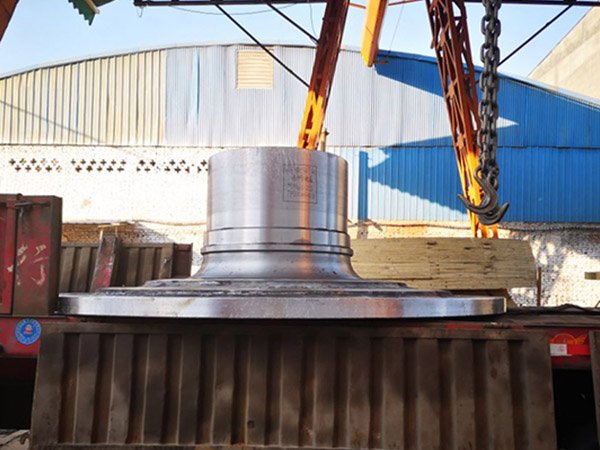
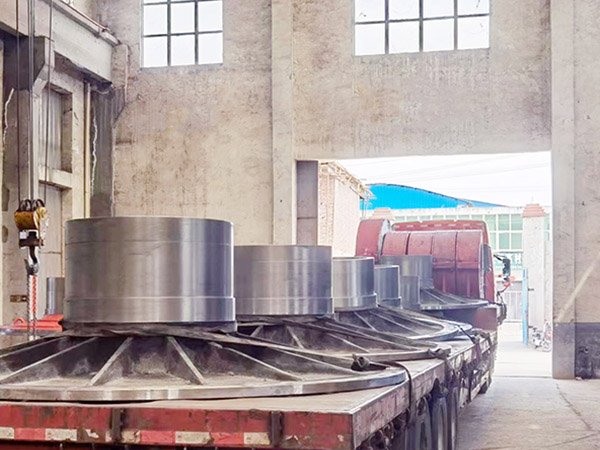
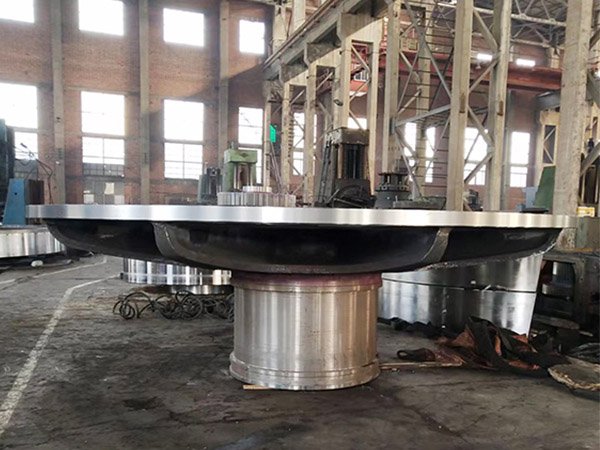
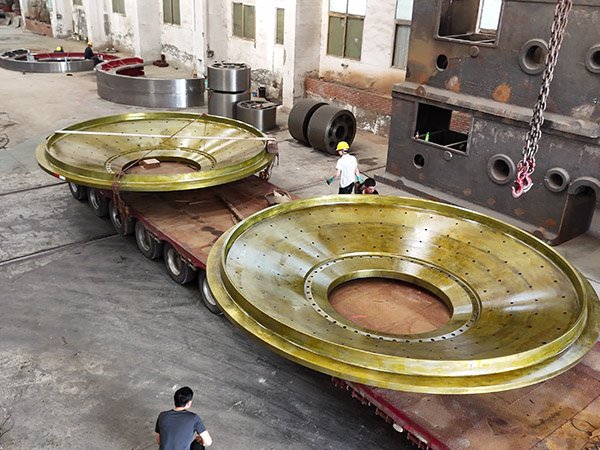
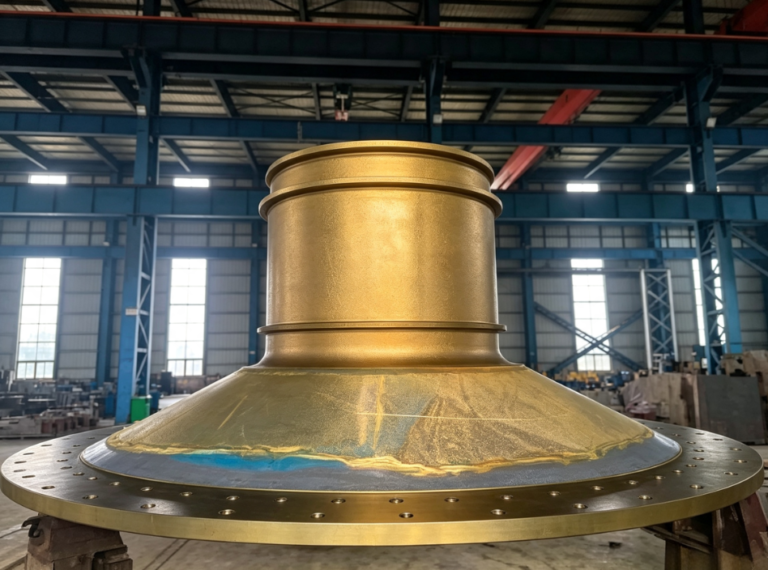
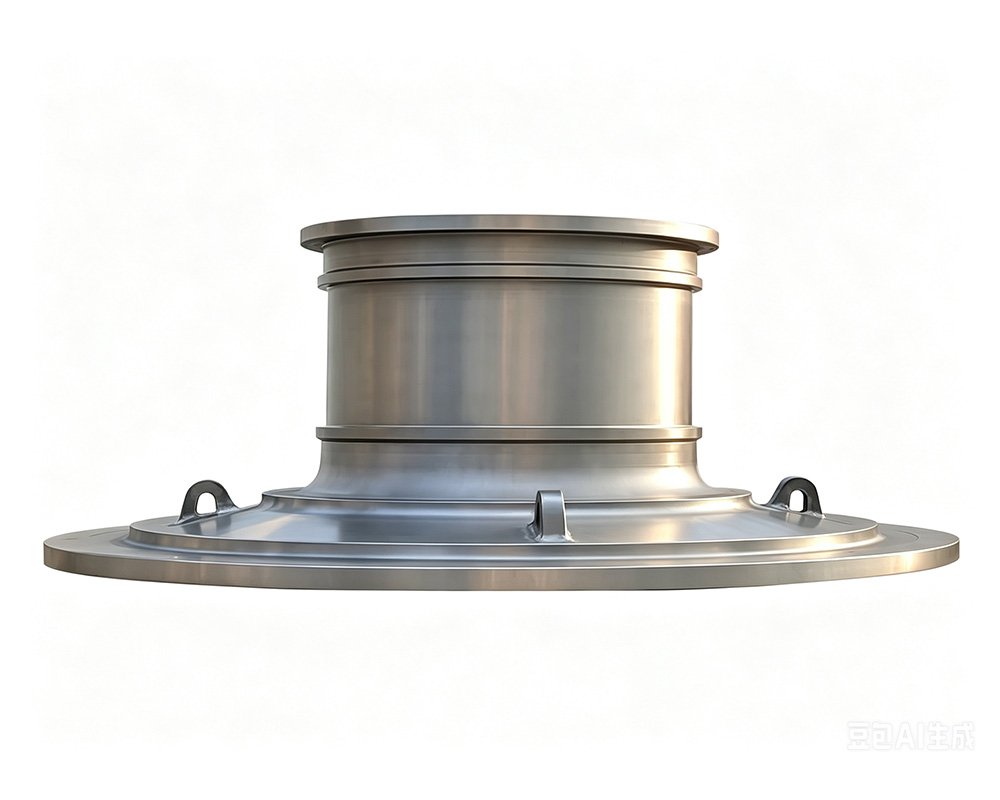
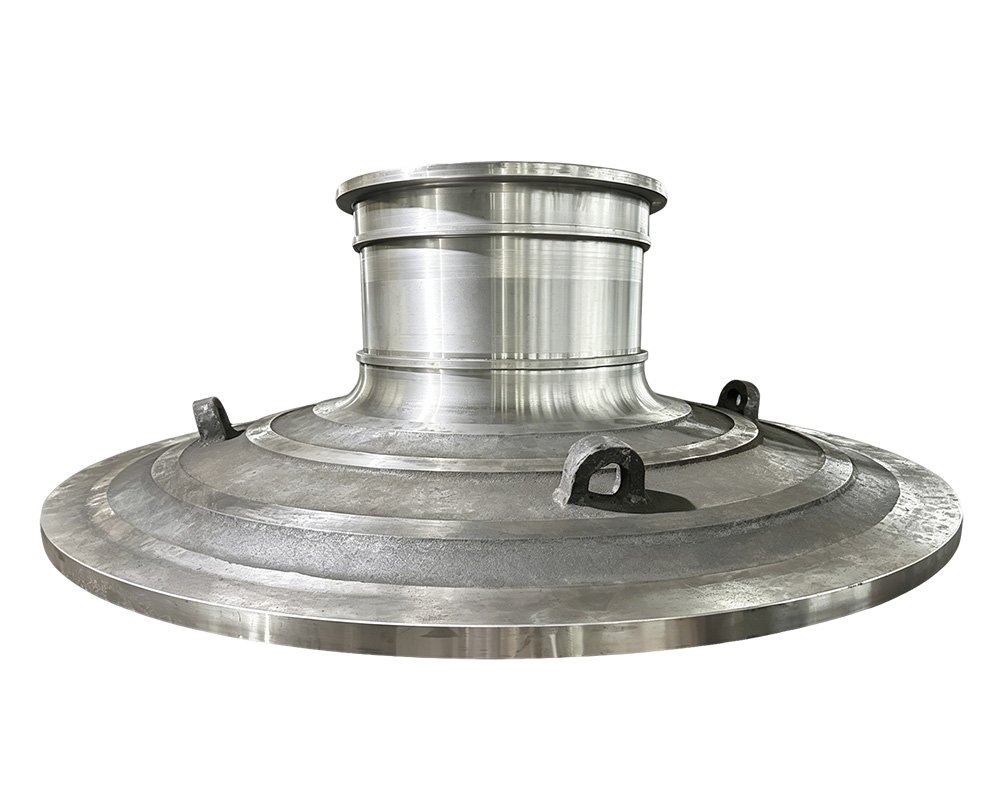
The ball mill head is a key structural component installed at both ends of the ball mill cylinder, supporting the cylinder’s rotation and connecting the hollow shaft. These heads are designed to withstand high impact forces, and its primary function is to support the shell, grinding media, and materials, and to transmit the load to the main bearings, thereby ensuring the stable operation of the mill. The ball mill end covers are typically used in industries such as mining, building material, cement production, metallurgy, and other heavy-duty manufacturing processes.
BOPENG is specialize in producing high-quality, durable ball mill heads made from advanced materials and manufacturing techniques, ensuring superior performance and extended service life.

Specifications

Technical Parameter

Specification

Material

ZG270-500, ZG20SiMn, and other custom material

Size Range

Diameter: 1 meter to 6 meters, Weight: 1tons to 150 tons

Wall Thickness

200 mm to 500 mm

Surface Hardness

300 – 500 HB (Brinell Hardness)

Temperature Resistance

-20°C to 500°C

Finishing and Tolerances

Precision casting with tight tolerance controls

Impact Resistance

High (dependent on material)

Wear Resistance

High, particularly for chromium and manganese alloy steels

Maximum Operating Speed

Varies by design; typically up to 100 RPM

Heat Treatment

Normalizing, Q&T

Surface Treatment

Painting, plating, polishing, transparent anti-rust oil

Different Types of Ball Mill Head
Separate Ball Mill Head

(Cast Separately from the Trunnion)
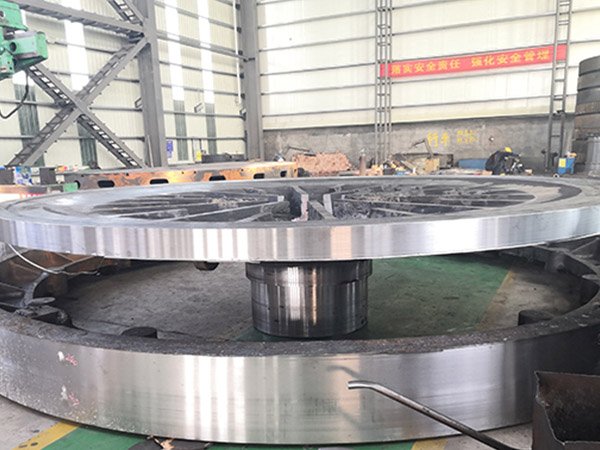
This design involves separately casting the ball mill end cover and the ball mill trunnion. Both components are assembled together during the ball mill assembly process. By casting separately, the quality of both the end cover and trunnion is ensured. – This method prevents defects like uneven thermal contraction, which could cause stress and looseness between the end cover and trunnion.
– It eliminates casting defects that could arise from an oversized ball mill end cover diameter at the joining interface.
– This structure is especially suitable for large-diameter ball mills.
– The separate casting process provides better casting quality for both parts and improves overall reliability.
Ball Mill Head and Trunnion Cast as One Piece
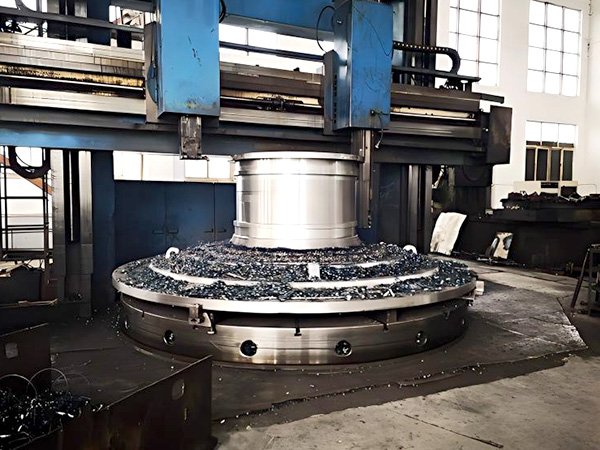
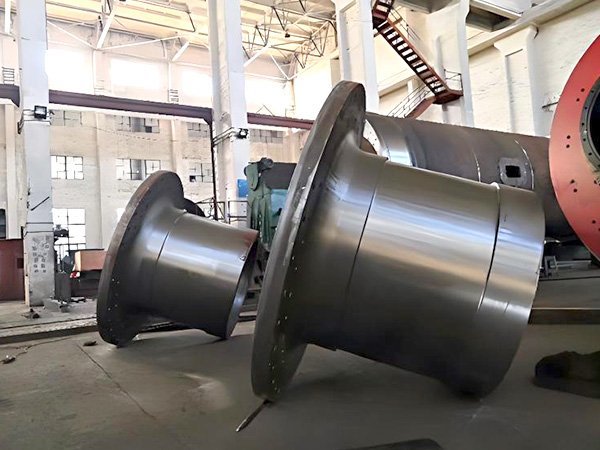
The ball mill head refers to the combined structure of the ball mill end cover and trunnion cast as a single piece. This design eliminates the need for later assembly of the end cover and trunnion, and the one-piece structure simplifies installation making it easier and faster to install. – More suitable for smaller ball mills due to its straightforward design and installation.
– This approach reduces the number of manufacturing steps and the need for cutting processes, which leads to less raw material consumption.
– The ball mill head is directly welded to the ball mill shell, saving time and labor during installation.
– There is no need to reconnect the end cover and trunnion or use bolts and rivets for the connection, making it more reliable.

Materials of BOPENG Ball Mill Heads

The materials used for casting ball mill heads must possess high strength, toughness, and wear resistance due to the demanding conditions in which these components operate. Common materials for ball mill heads include:
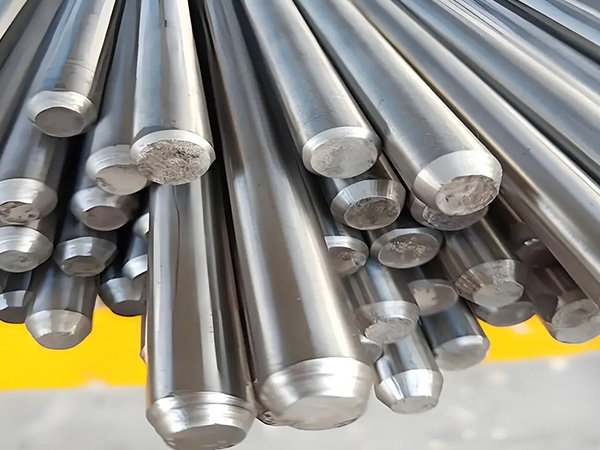
High Chromium Steel (Cr-Mo Alloy Steel)

It has excellent wear resistance, high toughness, and ability to withstand high temperatures.
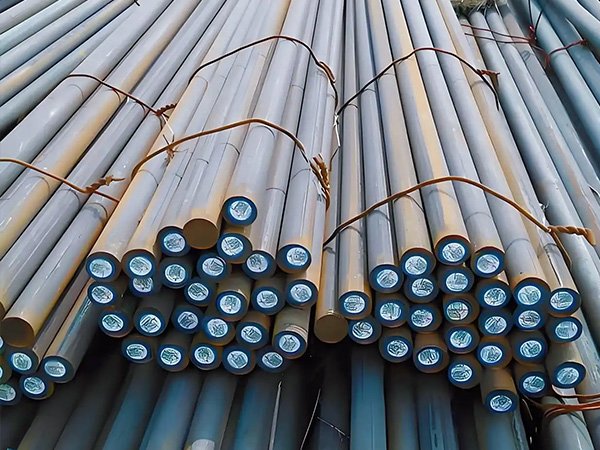
Carbon Steel

Provides good strength and hardness for applications requiring moderate toughness.
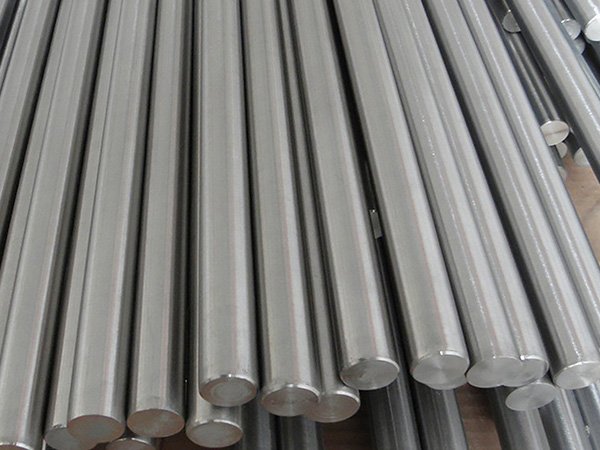
Alloy Steel (e.g., Ni-Cr alloy)

Offers high resistance to abrasion and corrosion, making it suitable for more aggressive milling environments.
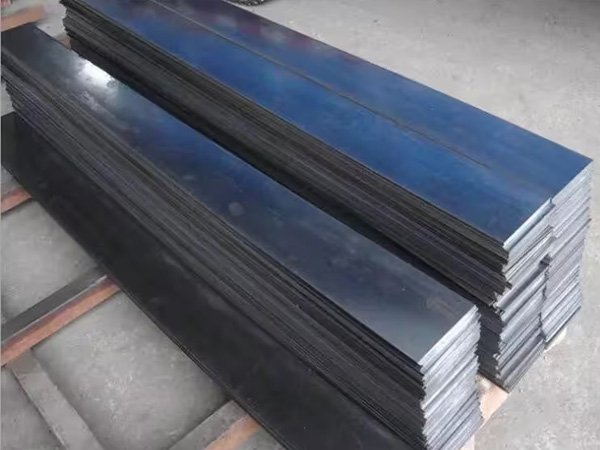
Manganese Steel

Known for its ability to absorb shock and its high resistance to wear, it’s used for applications with high impact and abrasive forces.

BOPENG provides customized materials to meet the specific requirements of your milling processes, ensuring a balance between strength, toughness, and resistance to wear.

Key Features of BOPENG Ball Mill Head
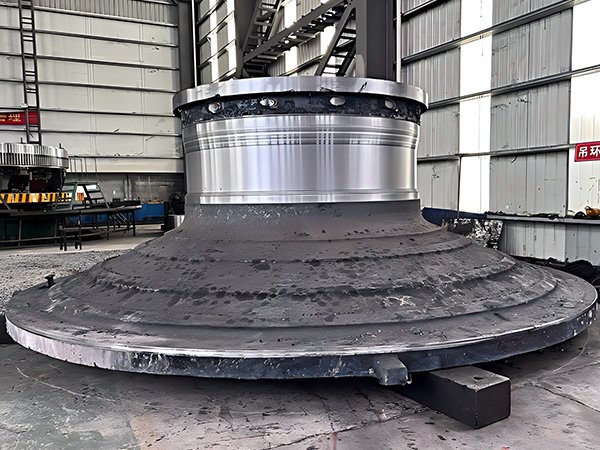
Wear Resistance: The material we selected provides excellent resistance to abrasion, enhancing the longevity of your ball mills. Durability and Strength: With advanced alloy materials, BOPENG ball mill heads offer exceptional durability under high loads and high-impact conditions. Precision Engineering: Our heads are produced with high accuracy and precision, and passed several quality inspections, ensuring smooth performance and easy installation. Customized Solutions: We offer tailor-made ball mill heads designed to meet specific operational needs and enhance the efficiency of your grinding processes. Cost-Effectiveness: By choosing high-quality materials and advanced manufacturing techniques, BOPENG ensures that our products provide the best performance at competitive prices.

Quality Control and Inspection Process

At BOPENG, quality is at the heart of everything we do. To ensure our ball mill heads meet the highest standards, we follow a rigorous quality control process that includes:
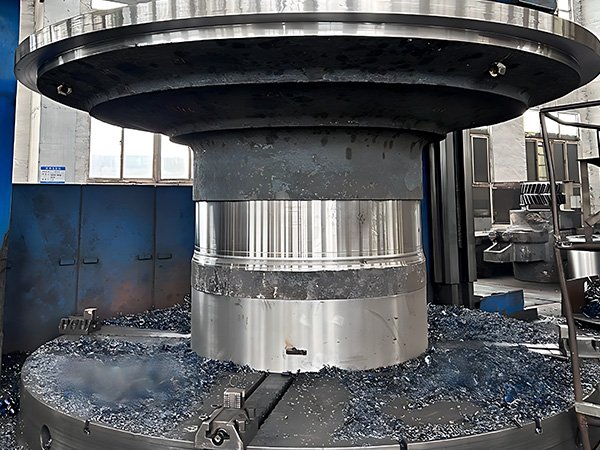
Material Testing: Each batch of raw material undergoes a series of chemical and mechanical tests to confirm that it meets our quality requirements. Dimensional Inspection: Using advanced measurement tools, we check the dimensions and tolerances of each ball mill head to ensure they fit precisely within the system. Heat Treatment: To enhance the hardness and strength, all ball mill heads undergo heat treatment processes. Non-Destructive Testing (NDT): Techniques like ultrasonic testing and magnetic particle inspection are used to detect any internal defects or surface cracks. Final Quality Check: Every finished product is carefully inspected for any visible defects, ensuring that only the highest quality products are delivered to our customers.
One-stop Custom Castings

Why choose BOPENG?

Get a Solution

20 Years of Professional Steel Casting Manufacturing Strength

BOPENG possesses 20 years of experience in the production of cast steel spare parts, and continuously upgrading our manufacturing techniques and optimizing our service systems. We employ advanced manufacturing processes to produce large steel casting products that are high in strength, wear-resistant, and have a long service life. We have a team of experienced engineers who use the latest modeling software to design and manufacture the steel cast parts to your specifications.

Strict Full-Process Quality Assurance & ISO Certification

We consistently prioritize the procurement of high-quality steel raw materials, establishing close cooperative relationships with premium suppliers. Furthermore, we conduct a comprehensive series of compositional analyses on these materials to ensure they meet all requisite quality standards. Concurrently, our quality control measures are integrated throughout the entire production lifecycle—from mold making and casting to precision finishing—with dedicated quality inspectors overseeing product quality at every stage. BOPENG equipped with a diverse array of product testing instruments, and all our products have successfully obtained ISO quality system certification.

Round-the-Clock All-Round Service & Global Customer Partnerships

BOPENG offers 24/7 online consultation services. Our professional international trade team is dedicated to assisting you with any issues that may arise during the cross-border procurement process, while our technical team stands ready to help you resolve any challenges encountered during product design, installation, and operation. Relying on high-quality cast steel products and a comprehensive service system, BOPENG has earned widespread recognition from clients worldwide, establishing cooperative relationships with renowned enterprises such as Mesto, SMS, POSCO, and Lafarge.

BOPENG’s Solution for Cast Steel Products

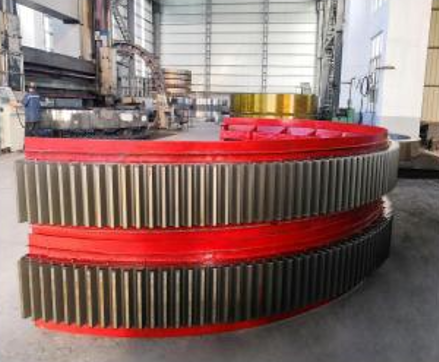
BOPENG support fully customized large casting steel products in widely applications, including building material industry, metallurgical engineering, and mining industry. We supply one-stop solution from drawings to finished products.
FAQ

Use this space to provide your website visitors with a brief description of what to expect before clicking on a section title.

Steel casting and steel forging are two different manufacturing processes used to produce high-strength steel components, but they create different material structures and design advantages.
Steel forging forms metal through mechanical deformation under high pressure, which improves grain flow and is often selected for parts requiring extremely high fatigue resistance and directional strength. Steel casting, on the other hand, produces components by pouring molten steel into a precisely designed mold, allowing manufacturers to create complex geometries, large structures, and integrated components that would be difficult or impossible to manufacture through forging.
For many heavy industrial applications, steel casting provides significant advantages because it allows complex shapes, internal passages, thick sections, and customized designs while maintaining excellent strength, toughness, and wear resistance. This makes cast steel widely used for mining machinery, construction equipment, railway components, pump bodies, valve components, and power generation equipment.
The selection between casting and forging depends on factors such as component size, structural complexity, mechanical requirements, production volume, and operating environment. A professional steel casting manufacturer can help determine the most suitable process according to the actual application requirements.

Choosing the correct steel grade is one of the most important steps in designing a reliable steel casting component. The ideal material depends not only on strength requirements but also on the working environment, temperature, corrosion exposure, impact loads, and wear conditions.
Carbon steel castings are commonly selected for general industrial applications where good strength, machinability, and cost efficiency are required. Alloy steel castings are preferred for more demanding conditions because alloying elements such as chromium, nickel, molybdenum, and manganese can improve hardness, toughness, heat resistance, and wear performance.
For example, mining equipment components often require high impact resistance and abrasion resistance, while valve bodies and pump components used in energy or chemical industries may require corrosion resistance and high-temperature stability.
During material selection, engineers usually consider mechanical properties such as tensile strength, yield strength, elongation, hardness, impact toughness, and heat treatment requirements. A properly selected steel grade ensures that the casting performs reliably throughout its service life rather than simply meeting initial specifications.

Mining and heavy construction equipment operate under some of the most severe working conditions, including heavy impact, continuous vibration, abrasive materials, and extreme loading cycles. These environments require components with exceptional strength and durability.
Steel castings are widely used in these industries because they provide an excellent balance of mechanical strength, impact resistance, and design flexibility. Components such as crusher parts, excavator components, structural brackets, machine frames, and wear-resistant parts can be manufactured with complex shapes while maintaining high load-bearing capability.
Compared with other materials, steel castings can be engineered with specific alloy compositions and heat treatments to achieve improved hardness, toughness, and fatigue resistance. This makes them suitable for equipment that must operate continuously in mines, quarries, and heavy industrial environments.
The ability to produce large and complex components is another important advantage of steel casting, especially for heavy machinery where welded assemblies may introduce additional stress concentration points.

Steel casting quality depends heavily on controlling the entire manufacturing process, from melting and mold preparation to pouring, solidification, and heat treatment.
Common casting defects may include shrinkage cavities, gas porosity, inclusions, cracks, and dimensional variations. These issues usually result from factors such as improper molten steel treatment, incorrect pouring temperature, poor feeding design, uncontrolled cooling rates, or inadequate process parameters.
Professional foundries use multiple methods to reduce casting defects, including chemical composition control, simulation-assisted mold design, riser optimization, advanced melting technology, and strict inspection procedures.
Quality verification may include visual inspection, dimensional measurement, ultrasonic testing, magnetic particle testing, radiographic testing, and mechanical property testing. These inspection methods help ensure that steel castings meet customer specifications and perform safely in demanding industrial applications.

Heat treatment plays a critical role in improving the mechanical properties and long-term reliability of steel castings.
After casting, the internal structure of steel may contain residual stress and uneven microstructures caused by the cooling process. Heat treatment processes such as normalizing, annealing, quenching, and tempering help refine the grain structure, relieve internal stress, and achieve the required combination of strength, hardness, and toughness.
For heavy-duty applications, heat-treated alloy steel castings can provide significantly improved resistance against impact loads, fatigue failure, and mechanical deformation. For example, components used in mining machinery, railway equipment, and industrial processing systems often rely on carefully controlled heat treatment to achieve stable performance under continuous operation.
The correct heat treatment process depends on the steel grade, casting size, wall thickness, and final application requirements.

Custom steel castings are used across many industries where components require high strength, durability, and complex geometries.
Major application areas include mining equipment, construction machinery, oil and gas systems, power generation equipment, railway transportation, marine engineering, industrial pumps and valves, and heavy manufacturing machinery.
In the mining sector, steel castings are commonly used for wear-resistant and load-bearing components. In oil and gas applications, cast steel components are selected for their ability to withstand pressure, temperature variations, and harsh operating environments. Power generation and energy industries also rely on steel castings for critical equipment requiring high reliability.
Because steel casting allows manufacturers to create large, complex, and customized components, it remains an important manufacturing solution for industries requiring performance beyond standard fabricated parts.

Send Your Inquiry Now