
Rotary Kiln Girth Gear
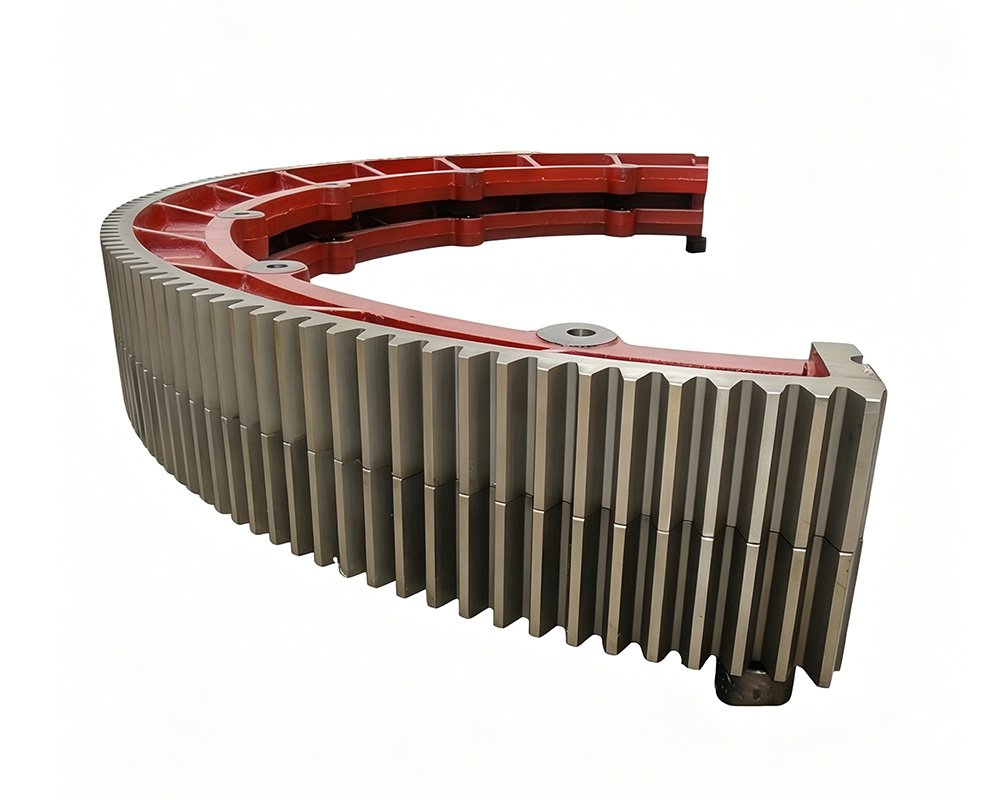
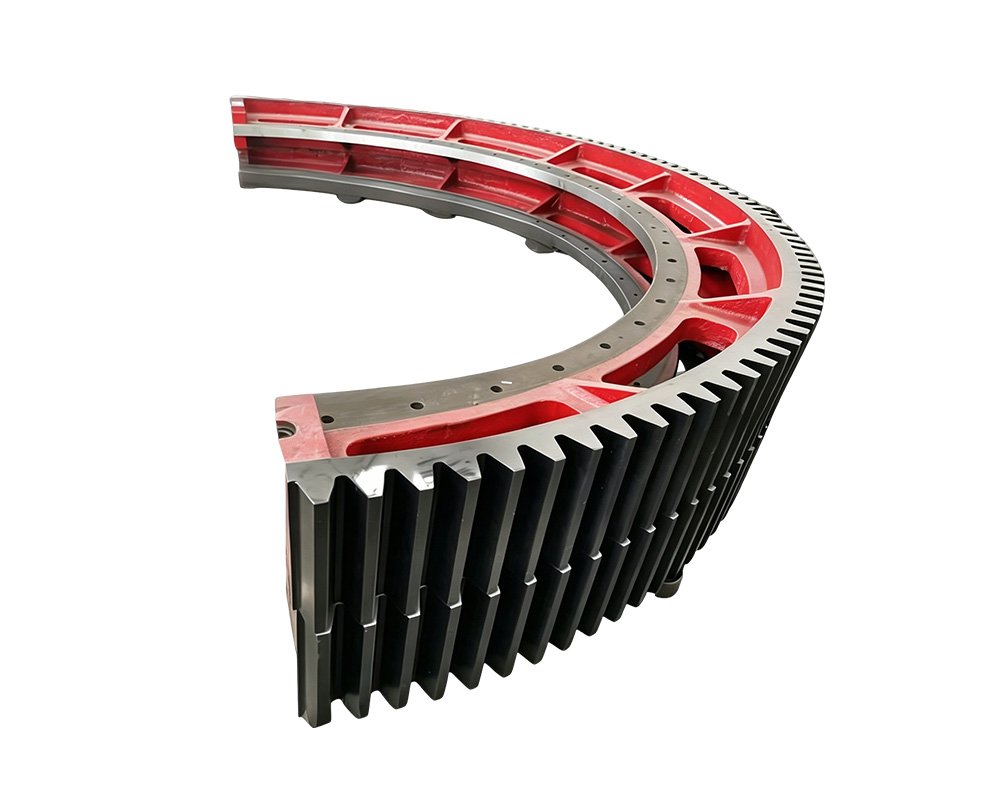
Rotary Kiln Girth Gear
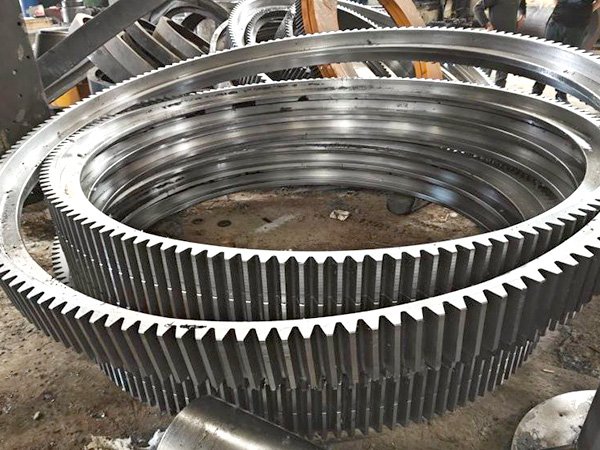
Rotary kilns are essential equipment in industries such as cement, lime, and chemical production, and the large girth gear is a core component of the rotary kiln’s transmission system, fulfilling the critical functions of transmitting power and driving the rotation of the kiln shell. The quality and the installation precision directly impact the operational stability of the equipment, the service life of the kiln lining, and the overall operating rate.
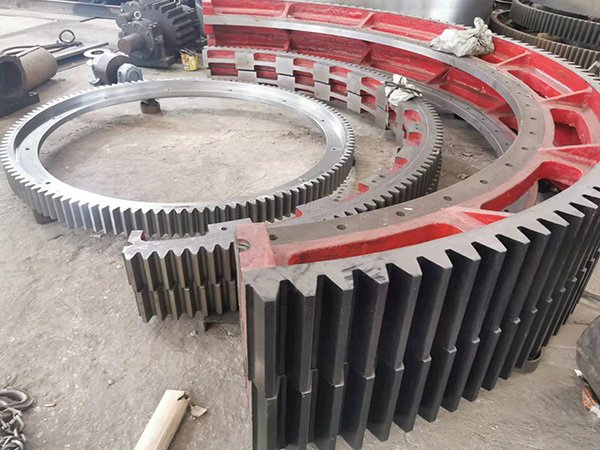
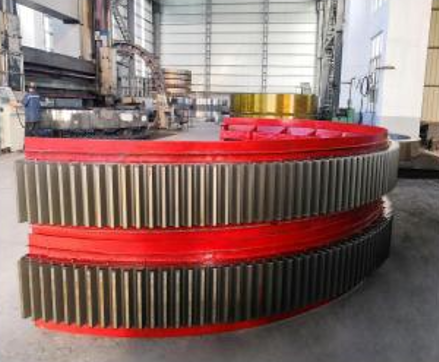
Due to their large dimensions (typically ranging from 0.8 m to 3.6 m in diameter), they typically employ a split design, consisting of two gear halves joined by high-strength bolts to facilitate transportation and installation. The rotary kiln gear ring is installed on the shell of the rotary kiln and engages with the pinion gear to transfer the rotary motion to the kiln body. The installation position is generally situated at the middle or tail section of the cylinder, away from high-temperature zones, in order to mitigate the effects of thermal deformation.
BOPENG is specialize in manufacturing premium-quality rotary kiln girth gears designed to withstand harsh operating environments, and meet the demands of cement and mining industries. Ensures the rotary kiln operating smoothly in high-temperature and high-load conditions.
Specifications
|
Technical Parameter |
Specification |
|---|---|
|
Material |
ZG310-570, ZG42CrMo, ZG45CrMo, ZG32CrNiMo, ZG40CrNiMo, other customized materials |
|
Diameter |
2 meters to over 15 meters |
|
Weight |
> 1 ton |
|
Pitch Circle Diameter (PCD) |
Pitch Circle Diameter (PCD) |
|
Teeth profile |
Straight, helical, and double helical profiles |
|
Tooth Hardness |
HRC 55-60 |
|
Heat Treatment |
Annealing/Normalizing/Quenching/Tempering |
|
Surface Treatment |
Painting, plating, polishing, transparent anti-rust oil |
Working Principle
The cast girth gear is elastically connected to the kiln shell via tangential spring plates; this arrangement not only transmits immense torque but also absorbs stresses resulting from shell deformation and thermal expansion, thereby minimizing the impact on gear meshing precision. The addendum clearance between the large and small gears must be precisely controlled (typically S = 0.25m + (2–3) mm); insufficient clearance can lead to tooth interference and exacerbated vibration, compromising equipment safety.
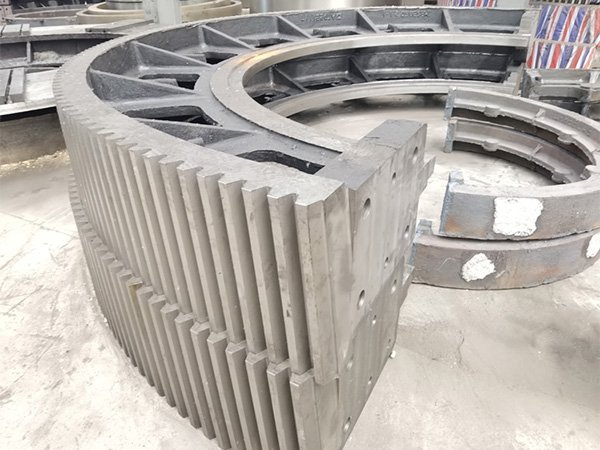
The difference between
Rotary Kiln Girth Gear and Ball Mill Girth Gear
|
Comparison Item |
Rotary Kiln Girth Gear |
Ball Mill Girth Gear |
|---|---|---|
|
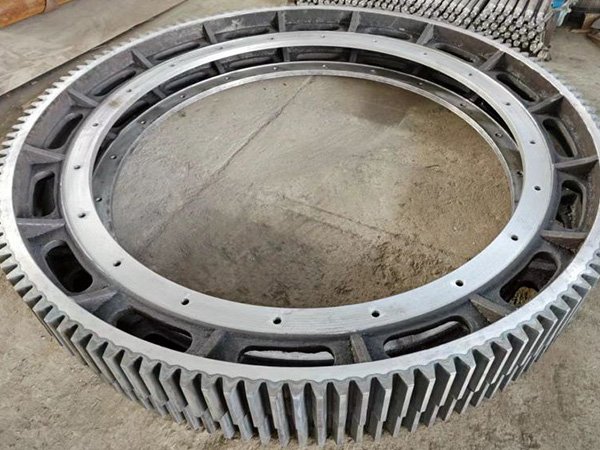
Product appearance |
 |
 |
|
Structural Forms |
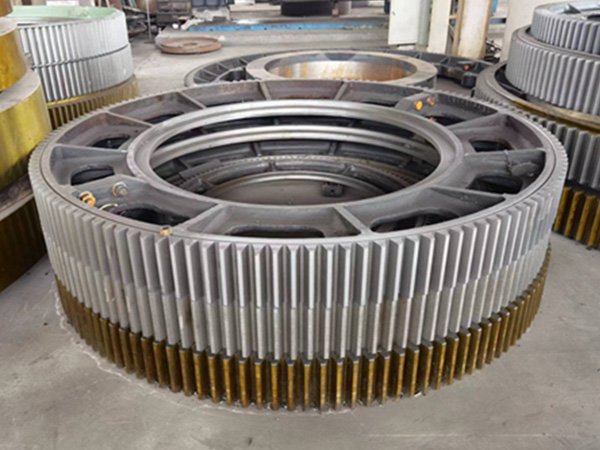
Typically adopts a 2 to 4 sections split-segment structure, connected via flange bolts, which facilitates on-site installation and maintenance, and can adapt to thermal deformation caused by high temperature of the cylinder |
Typically features a one-piece cast structure to ensure high rigidity and withstand the high-frequency loads resulting from the impact of the steel balls. |
|
Gear Tooth Profile |
Commonly use double helical tooth profiles for smoother power transmission. |
Single helical tooth and spur tooth can be choose depending on the application. |
|
Load-Bearing Characteristics |
Features smaller tooth root fillets and a pre-calculated micro-clearance between the gear rim and the kiln shell, allowing the gear to oscillate in tandem with the shell. |
Features larger tooth root fillets to minimize stress concentration and enhance resistance to impact-induced fracture. |
|
Thermal Environment Effects |
Be designed to withstand high operating temperatures (200–400°C) and more extreme operating conditions due to the high heat in kilns. |
Typically used in relatively cooler environments, the primary challenges are dust ingress and high-speed rotation. |
|
Connection Method |
Typically employs 12–16pcs tangential spring plate to connection, in order to buffer the impact of shell bending on gear meshing, while simultaneously mitigating start-up and shut-down shocks. |
Mostly use rigid direct connections, without complex compensation structures. |
|
Sealing Design |
Due to large dynamic displacement, a multi-stage labyrinth + felt composite seal is often used. Some designs include three seals (oil slinger ring + shaft labyrinth + felt). |
The key to sealing is preventing dust from entering. The structure is relatively simple, but oil leakage control still needs to be taken into account. |
|
Typical Applications |
Rotary equipment characterized by long shell, high operating temperatures, low rotational speeds, and heavy loads for cement, metallurgy, and chemicals industries. |
Material grinding equipment in mining, building materials and other fields, capable of withstanding periodic impact loads. |
Advantages of BOPENG Rotary Kiln Girth Gear
Enhanced Durability
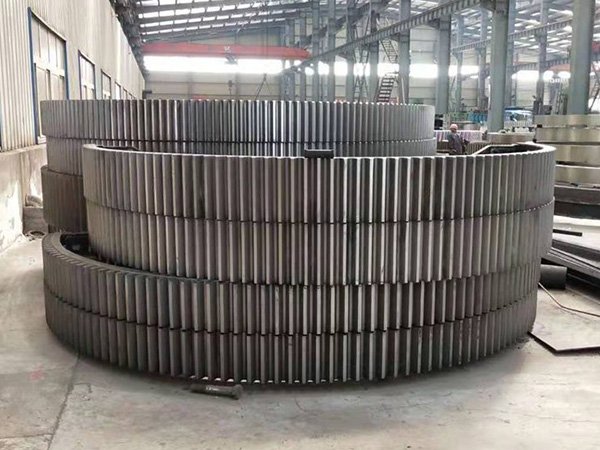
BOPENG large girth gears are manufactured from high standard steel materials and through different kinds of heat treatment process. Making sure the finished girth gear products have exceptional wear and corrosion resistance, extending the lifespan of the equipment.
Precision Engineering and Inspection
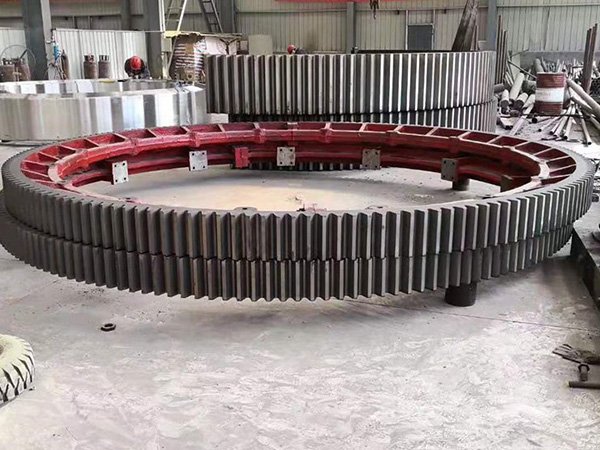
From mold making and casting to polishing, BOPENG employs advanced and precise manufacturing processes that meet industry standards to ensure that each gear is manufactured with high precision. All cast steel products of BOPENG will be undergo multiple quality inspections before leaving the factory.
Heavy-Duty Performance
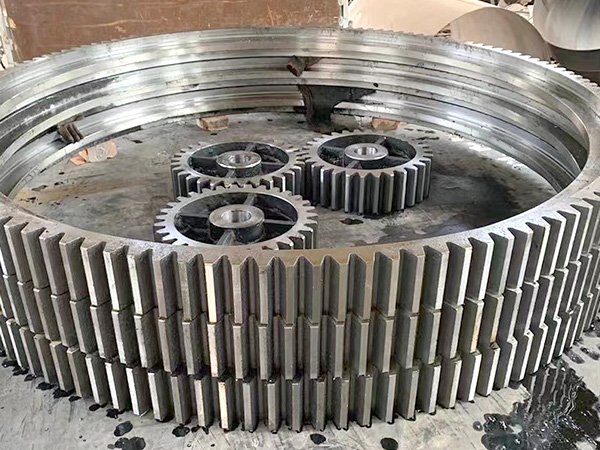
BOPENG rotary kiln gear rings are typically design for heavy-duty conditions, especially suitable for high-load and high-torque applications, making them an ideal choice for your rotary kiln.
Customizable Solutions
BOPENG support fully customized kiln girth gear based on customer’s unique requirements to fit different kinds of rotary kiln perfectly. And our cast girth gear provide long-term performance with minimal maintenance, offering a cost-effective solution for your rotary kiln operations.
Quality Inspection
Why choose BOPENG?
20 Years of Professional Steel Casting Manufacturing Strength
BOPENG possesses 20 years of experience in the production of cast steel spare parts, and continuously upgrading our manufacturing techniques and optimizing our service systems. We employ advanced manufacturing processes to produce large steel casting products that are high in strength, wear-resistant, and have a long service life. We have a team of experienced engineers who use the latest modeling software to design and manufacture the steel cast parts to your specifications.
Strict Full-Process Quality Assurance & ISO Certification
We consistently prioritize the procurement of high-quality steel raw materials, establishing close cooperative relationships with premium suppliers. Furthermore, we conduct a comprehensive series of compositional analyses on these materials to ensure they meet all requisite quality standards. Concurrently, our quality control measures are integrated throughout the entire production lifecycle—from mold making and casting to precision finishing—with dedicated quality inspectors overseeing product quality at every stage. BOPENG equipped with a diverse array of product testing instruments, and all our products have successfully obtained ISO quality system certification.
Round-the-Clock All-Round Service & Global Customer Partnerships
BOPENG offers 24/7 online consultation services. Our professional international trade team is dedicated to assisting you with any issues that may arise during the cross-border procurement process, while our technical team stands ready to help you resolve any challenges encountered during product design, installation, and operation. Relying on high-quality cast steel products and a comprehensive service system, BOPENG has earned widespread recognition from clients worldwide, establishing cooperative relationships with renowned enterprises such as Mesto, SMS, POSCO, and Lafarge.
BOPENG’s Solution for Cast Steel Products
BOPENG support fully customized large casting steel products in widely applications, including building material industry, metallurgical engineering, and mining industry. We supply one-stop solution from drawings to finished products.
FAQ
Use this space to provide your website visitors with a brief description of what to expect before clicking on a section title.