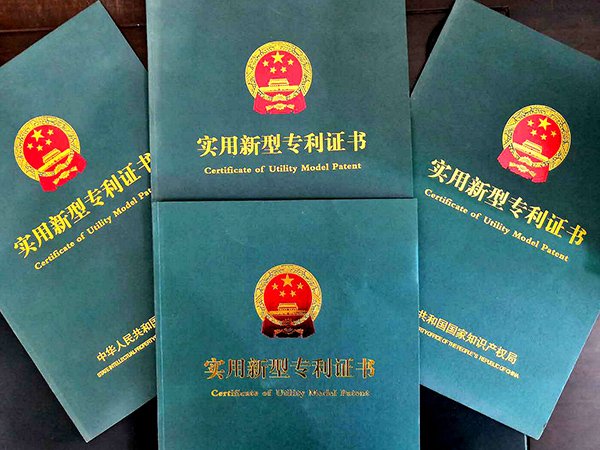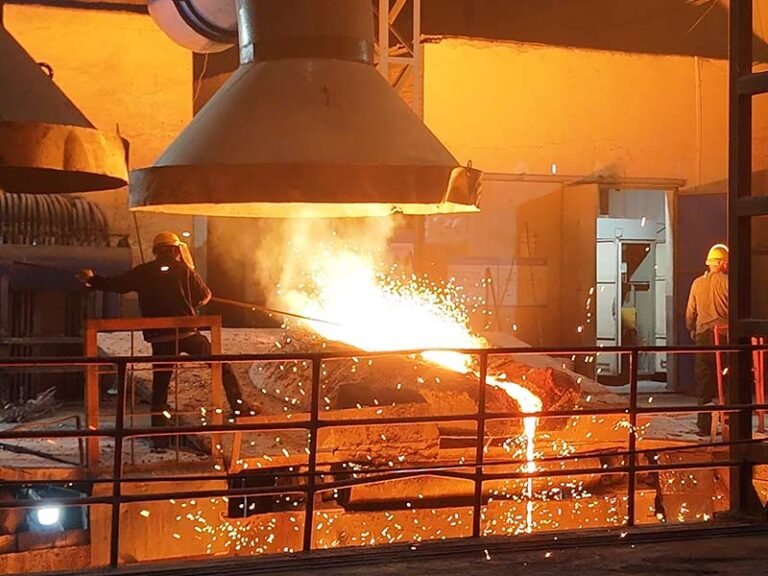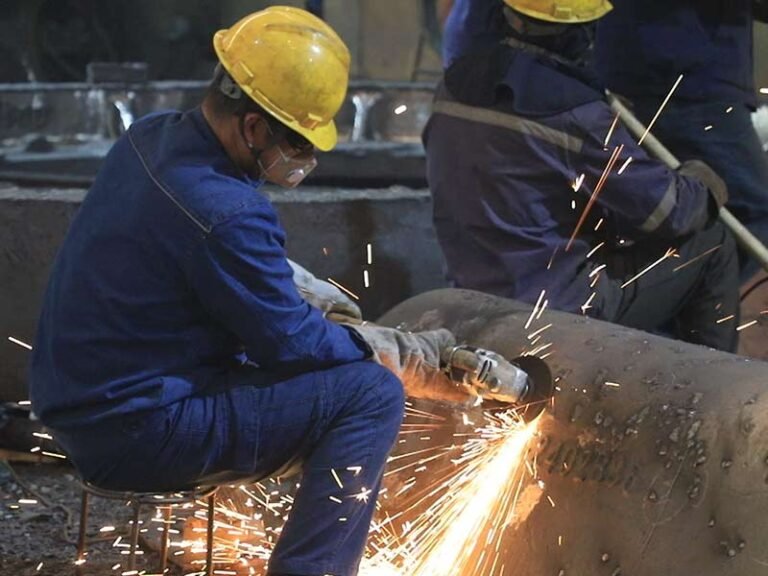
Amid rapid industrial development, cast steel components—as critical foundational parts—have never ceased to evolve. Bopeng casting has continuously explored this path, achieving numerous breakthroughs that have injected new momentum into the industry’s development.
Material innovation is the core focus of cast steel component upgrades. Traditional cast steel materials are increasingly unable to meet the demands of specialized fields in terms of strength, toughness, and corrosion resistance.Bopeng casting has keenly recognized this trend and invested substantial resources in the research and development of new alloy materials. By adjusting alloy composition ratios and introducing innovative methods such as the use of rare earth elements, the company has successfully developed a variety of high-performance cast steel materials. Among these is a salt-fog-resistant cast steel material suitable for marine engineering, which offers more than 40% better corrosion resistance than traditional materials, thereby solving the problem of cast steel components being prone to corrosion in marine environments.
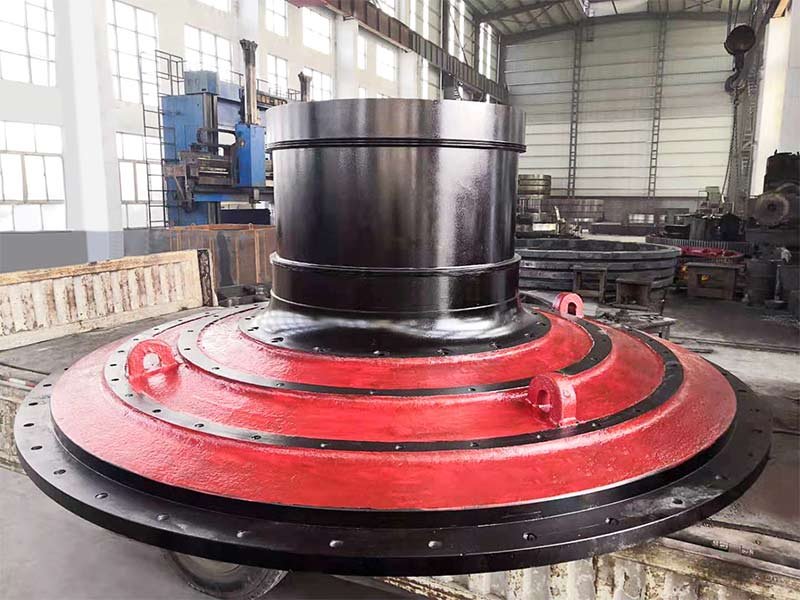
Process innovation is key to improving the quality of cast steel components. Bopeng casting has boldly broken new ground by building upon traditional casting processes and introducing intelligent casting technology. Using computer simulation technology, the company simulates the pouring process of cast steel components to predict potential defects in advance and optimize process parameters, effectively reducing the scrap rate of castings. At the same time, by adopting automated production lines, the company has achieved full automated control throughout the entire process—from molten steel smelting to casting formation—which not only improves production efficiency but also ensures product quality stability, bringing the dimensional accuracy of cast steel components to a higher level.
Innovative product design ensures that cast steel components better meet market demands. Bopeng casting has established a dedicated design team to gain an in-depth understanding of the specific requirements for cast steel components across various industries and to develop tailored designs. For example, the cast steel hub components designed for the wind power industry have been structurally optimized to reduce weight by 15% while maintaining strength. This reduces the energy consumption of wind power equipment during operation and enhances its overall performance, making them highly favored by wind power companies.
Collaboration among industry, academia, and research institutions is a key pathway for Bopeng casting to achieve innovative breakthroughs. The company has established long-term partnerships with multiple universities and research institutions to jointly conduct technical research on cast steel components. Leveraging the research capabilities and talent advantages of these institutions, Bopeng casting has achieved a series of results in areas such as new material R&D and process exploration. Among these, the wear- and corrosion-resistant cast steel component technology jointly developed with a university has been successfully applied in the mining machinery sector, extending equipment service life and creating greater value for customers.
The path to innovation in cast steel components is fraught with challenges, but Bopeng casting is steadily advancing along this path thanks to breakthroughs in materials, processes, design, and industry-academia-research collaboration. In the future, Bopeng casting will continue to uphold its spirit of innovation, persistently overcome technical hurdles, drive the cast steel industry toward higher standards, and provide higher-quality cast steel products to support industrial development.